
The Role of Luck and Randomness
When it comes to casinos, the concept of luck is often romanticized. Many players believe that winning is solely based on chance, leading them to gamble with the hope of hitting a jackpot. This perception influences how individuals approach their gaming experience. The unpredictability of games creates an adrenaline rush, making each new game feel like a unique opportunity for success. As players explore various gaming options, they might stumble upon uk online casinos not on gamstop that emphasize fair play and transparency.
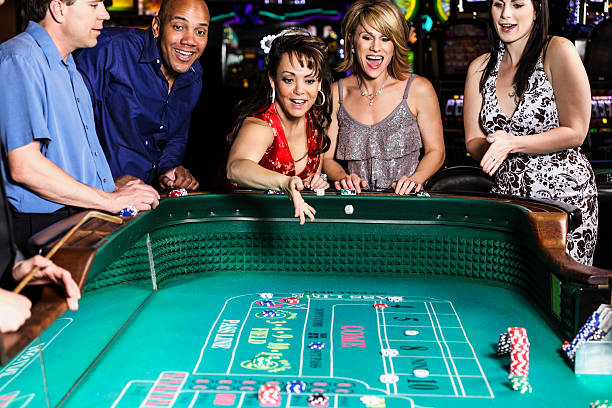
However, an understanding of randomness in casino games is crucial. Statistically, the odds are often against players, as games are designed to favor the house. This realization can help players align their expectations, allowing them to enjoy the experience without falling prey to false hopes of continuous wins.
The Influence of Cognitive Biases
Cognitive biases play a significant role in how players perceive their chances at winning in casinos. For instance, the gambler’s fallacy leads individuals to believe that past outcomes can influence future results, which can misguide their betting strategies. Players might continue to bet on a number they believe is “due” to win, despite the logical understanding that each spin or deal is independent.
Moreover, confirmation bias causes players to focus on their wins while disregarding their losses. This selective memory reinforces their belief in their ability to beat the odds, encouraging them to gamble more. Understanding these biases can help players make more informed decisions when participating in casino games.
The Excitement of the Environment
The atmosphere of a casino is meticulously designed to enhance excitement and encourage prolonged play. Bright lights, engaging sounds, and the presence of other players create a stimulating environment that elevates the emotional experience of gambling. This excitement can lead individuals to make impulsive decisions that they might not consider in a different setting.
The sensory overload can contribute to a phenomenon known as “loss chasing,” where players continue betting in hopes of recouping their losses. Understanding how the environment influences behavior can help players maintain self-regulation and avoid excessive gambling.
The Psychological Impact of Winning and Losing
Winning at a casino can trigger intense feelings of joy and euphoria, often described as a “rush.” This psychological high is fueled by the brain’s reward system, which releases dopamine, reinforcing the desire to seek out more gambling experiences. Players may chase this feeling, leading to repeated visits to casinos.
Conversely, losing can evoke a range of negative emotions, including frustration and disappointment. Many players experience what is known as “loss aversion” where the pain of losing feels more significant than the pleasure of winning. This dynamic can create a cycle of increased gambling as individuals attempt to overcome their losses, highlighting the importance of understanding emotional responses in gambling behavior.

Empowering Players with Awareness
Understanding the psychology behind winning at casinos can empower players to make more informed choices. By recognizing cognitive biases, the influence of luck, and the emotional rollercoaster associated with gambling, individuals can approach their gaming experiences with a healthier mindset. This awareness can also promote responsible gambling practices, reducing the risk of addiction and financial loss.
Ultimately, fostering knowledge about the psychological aspects of casino gambling encourages players to enjoy the thrill of the game while maintaining control over their actions. Education about these topics can lead to a more sustainable and fulfilling gambling experience, allowing individuals to have fun without falling prey to its pitfalls.